
Blog
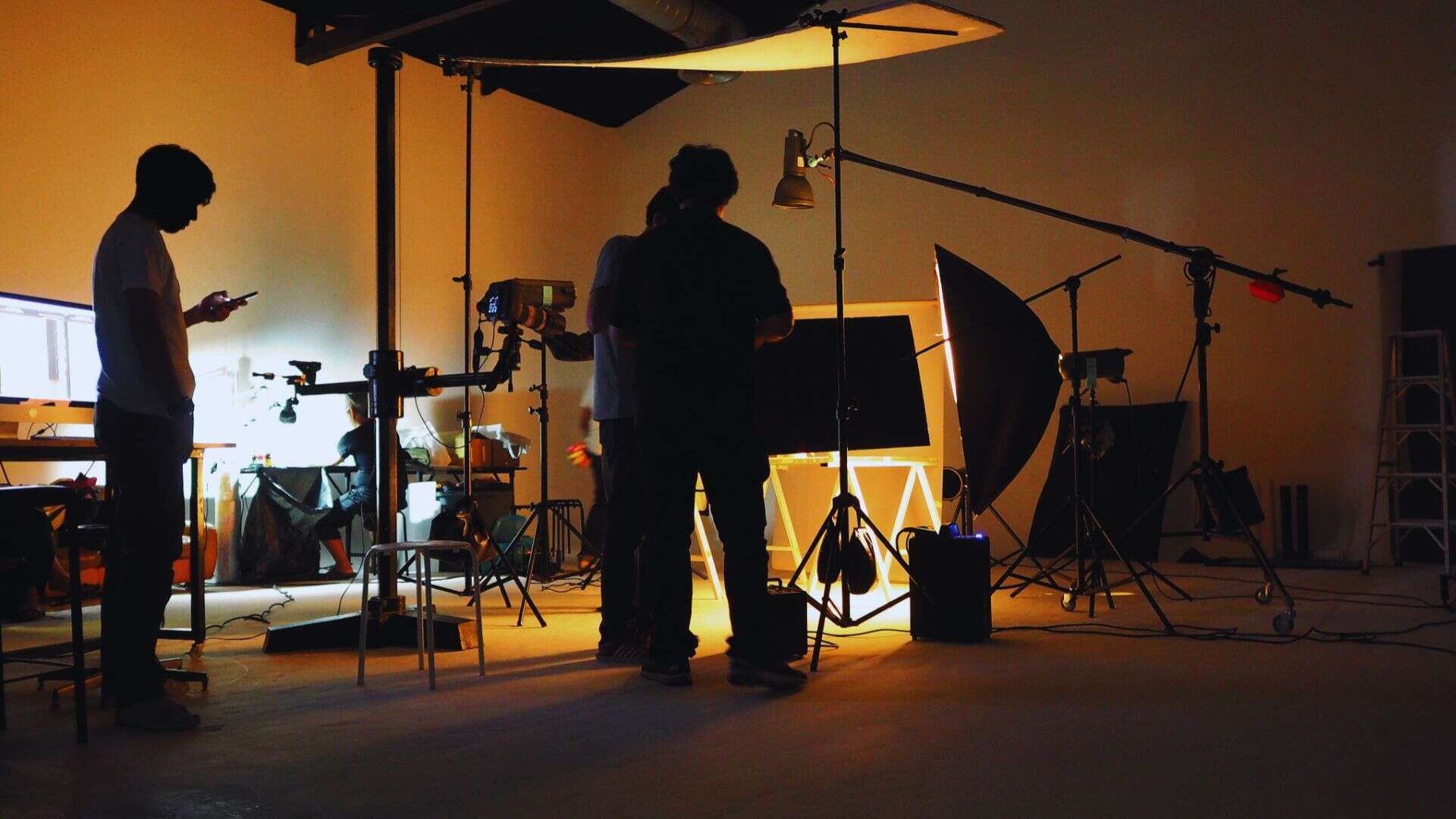
Most teams learn how to brief a video production company the hard way: over time and over budget, before a single camera is switched on.
Not because the crew was wrong. Not because the brief was incomplete. Because the brief was written by the wrong person, at the wrong point in the process, without the right questions answered first.
The brief is where most corporate video production goes wrong. And fixing it costs nothing.
Most marketing teams approach a video brief like a form to fill in. They describe what they want, attach brand guidelines, list a delivery date, and send it to a production partner.
What they’ve actually done is described an output without defining an outcome.
The production team gets to work on the output. Two rounds of feedback later, the video is technically correct and strategically useless. It looks like the brief. It doesn’t do what the brief was actually trying to achieve.
The brief has to start with decisions, not descriptions. What is this video supposed to do? For whom? In what context will they watch it? What do you want them to think, feel, or do afterwards? What would make this video a failure?
Once those questions are answered, the brief almost writes itself.
A good production brief doesn’t need to be long. It needs to be clear. These seven questions, answered honestly, give a production team everything they need to build something that works.
Here is the test of whether a production relationship is working: the brief for your second project should take less time to write than the first one.
If you’re re-explaining your brand, your audience, your tone, your visual language, and your objectives every time you brief a new project, you don’t have a production partner. You have a series of expensive strangers.
A connected production system retains context between projects. The brand knowledge built during the first engagement carries into the second. By the third project, the brief is a short document confirming the deliverable and the deadline, because everything else is already known.
This is what production that compounds looks like in practice. The overhead comes down with every project. The quality goes up because the production team already knows your brand well enough to push back when the brief is pointing in the wrong direction.
The best briefs come from conversations, not documents.
A thirty-minute session with the right people in the room will surface more useful production information than a ten-page written brief. Questions get answered in real time. Assumptions get challenged before they become expensive mistakes. The production team hears the nuance that doesn’t make it into written briefs: the tension between what the CMO wants and what the legal team will approve, the stakeholder who needs to be in the video even though it’s not the right creative call, the budget ceiling that was left out of the written brief because nobody wanted to write it down.
The written brief should come after that conversation. It exists to confirm what was decided, not to substitute for the decision-making process.
The cost of a bad brief shows up in three places.
First: revisions. Every round of revisions that could have been avoided with a clearer brief costs time on both sides and erodes trust in the process. Most revision cycles are not creative disagreements. They’re evidence that the brief didn’t capture what the stakeholder actually wanted.
Second: reshoots. A brief that doesn’t account for all the required deliverables from a single shoot day produces a situation nobody wants: the shoot wraps, the edit is delivered, and someone asks for a cut-down that requires footage that was never captured. The choice is between a substandard cut or booking a second shoot day.
Third: unused content. Content that doesn’t achieve its objective doesn’t get used. It sits in a Dropbox folder as evidence of budget spent without return. The brief was the intervention point. By the time the content is delivered, the opportunity to fix it has passed.
Enterprise marketing teams producing video at volume, across markets, across formats, and across business units, cannot afford to start the briefing process from scratch every time.
The production system has to hold the context. The brief for a new market activation should start from the brand standards, the asset library, and the production history already in place, not from a blank document.
yourfilm’s production system is built around this. yourcontent manages the production workflow so briefing overhead decreases over time. yourassets holds the existing library so every new brief starts with visibility over what already exists. yourcrew means the crew briefing is already aligned to your brand standards before the shoot, not during it.
The result: briefs get shorter. Production gets faster. The content compounds instead of resetting.
If your briefs are getting longer rather than shorter, that’s a signal the production relationship isn’t working the way it should. That’s worth a conversation.
Most clients start with a single project, then let the library compound. Tell us what you are building.